
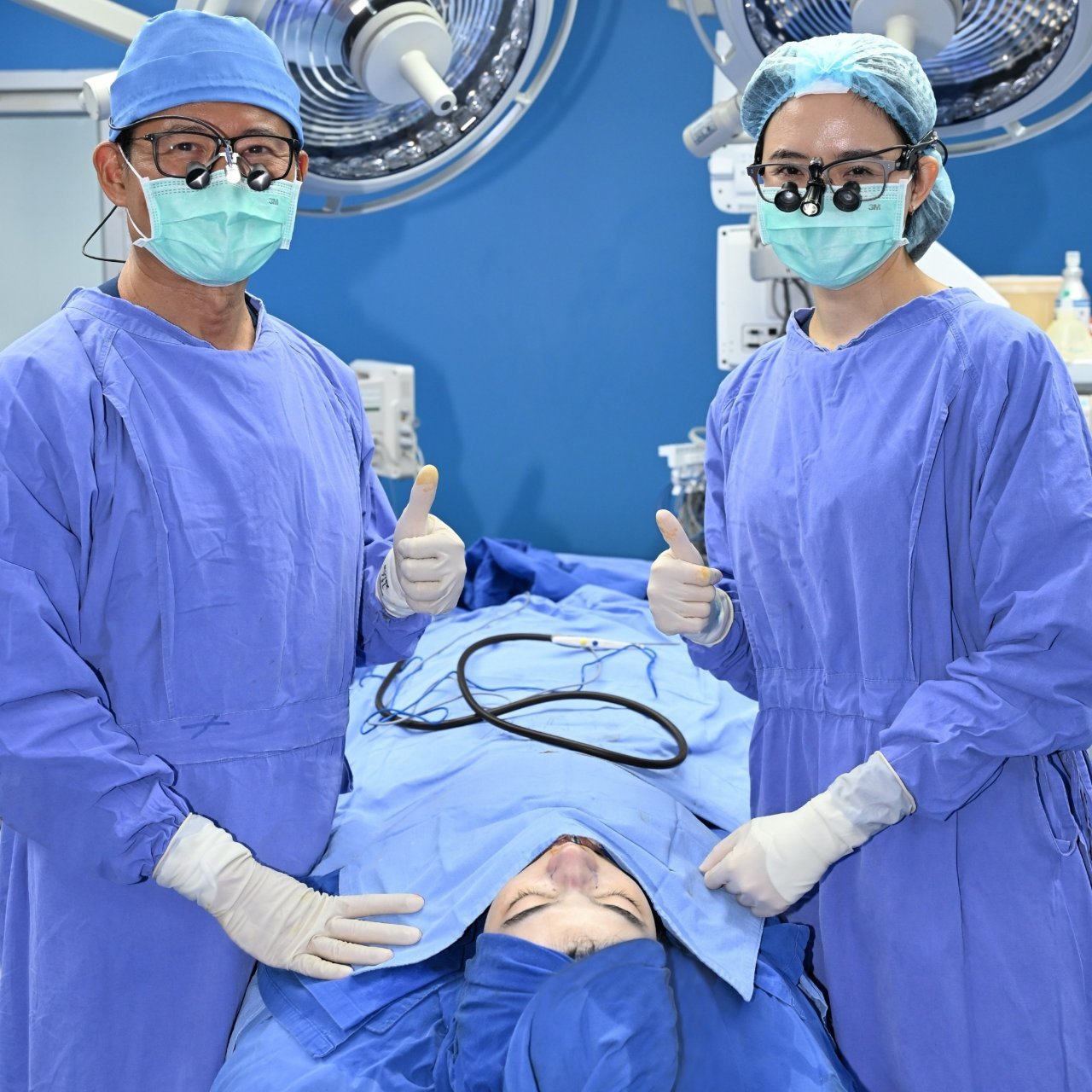
Rhinoplasty, a surgical procedure aimed at reshaping the nose, offers various techniques tailored to meet individual patient needs and aesthetic goals. Among the most notable advancements in this field are three primary rhinoplasty techniques: Preservation Rhinoplasty, Structural Rhinoplasty, and Rib Rhinoplasty. Each technique presents unique advantages and is suited for different types of nasal alterations.
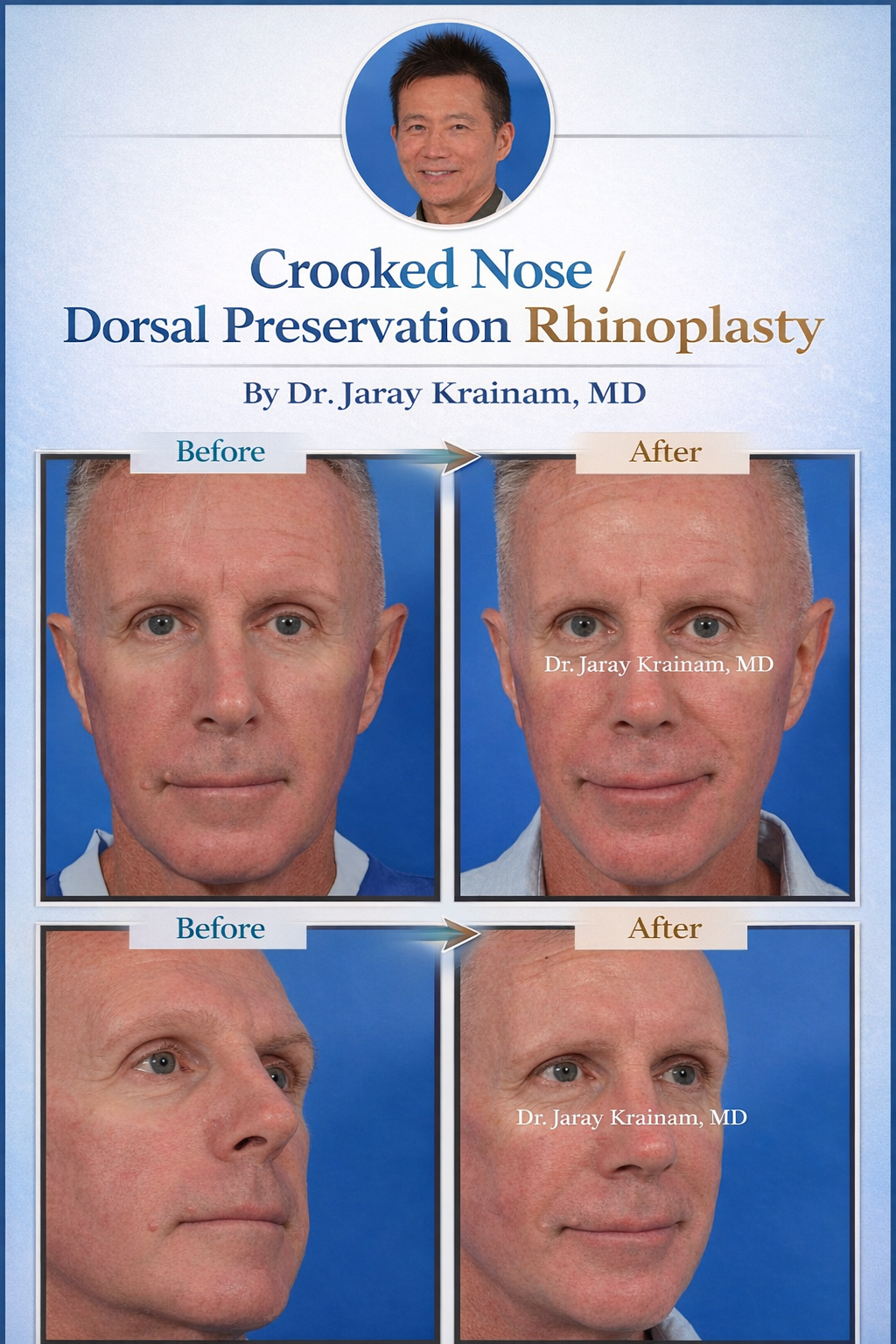
Preservation Rhinoplasty is becoming increasingly popular due to its conservative approach. This technique focuses on minimizing tissue trauma and preserving the nasal framework, which helps maintain the natural contours of the nose. By utilizing an internal approach, this method primarily adjusts the nasal structure without extensive external manipulation, allowing for a quicker recovery and less postoperative swelling. Preservation Rhinoplasty is ideal for patients looking to refine their nasal appearance without significant alterations to the overall structure.
On the other hand, Structural Rhinoplasty involves more comprehensive modifications, appropriate for individuals requiring major reshaping or correction of structural deformities. This method utilizes cartilage grafts and advanced techniques to ensure stability and symmetry of the nasal structure, making it essential for complex cases where preservation alone may not yield the desired aesthetic results.
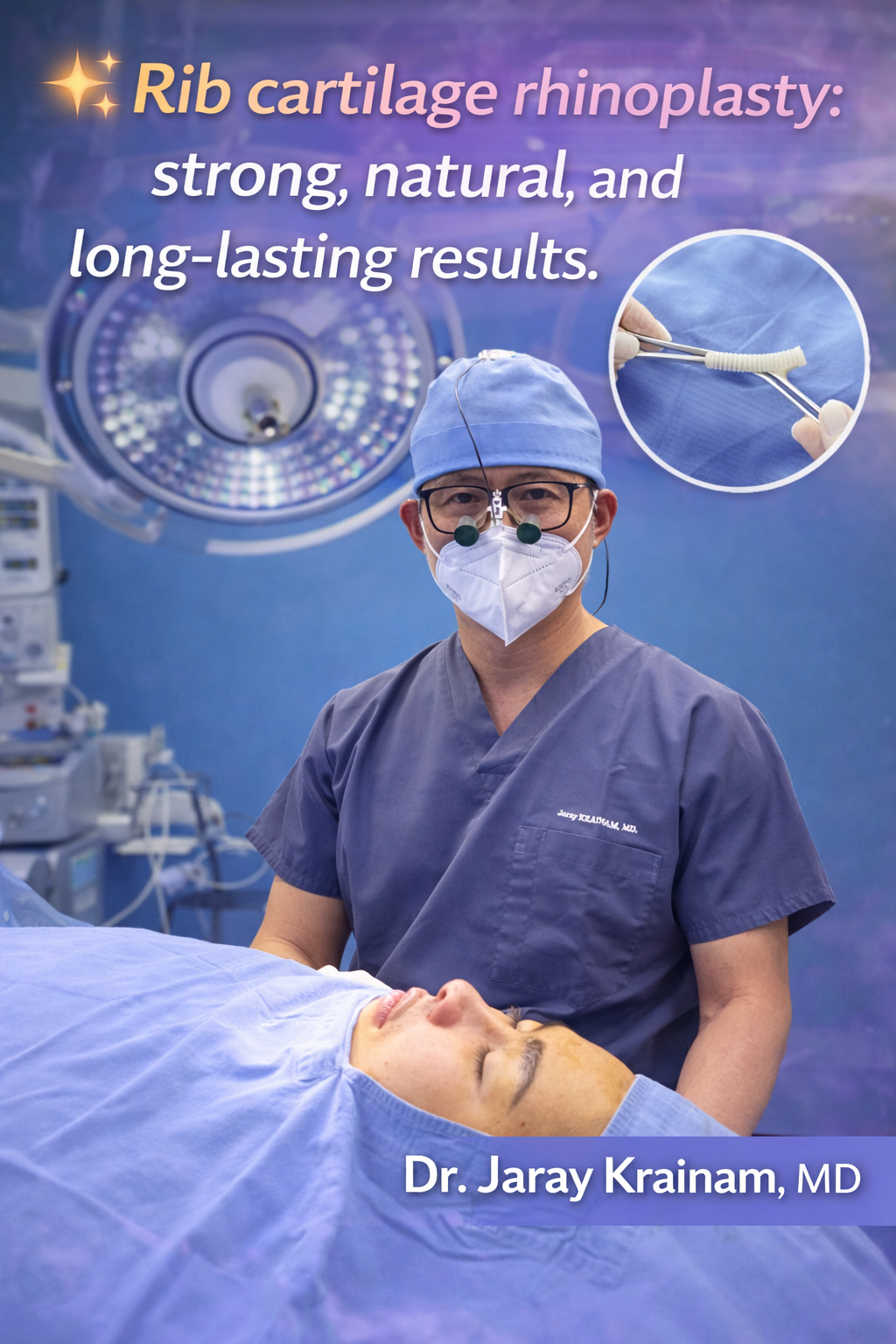
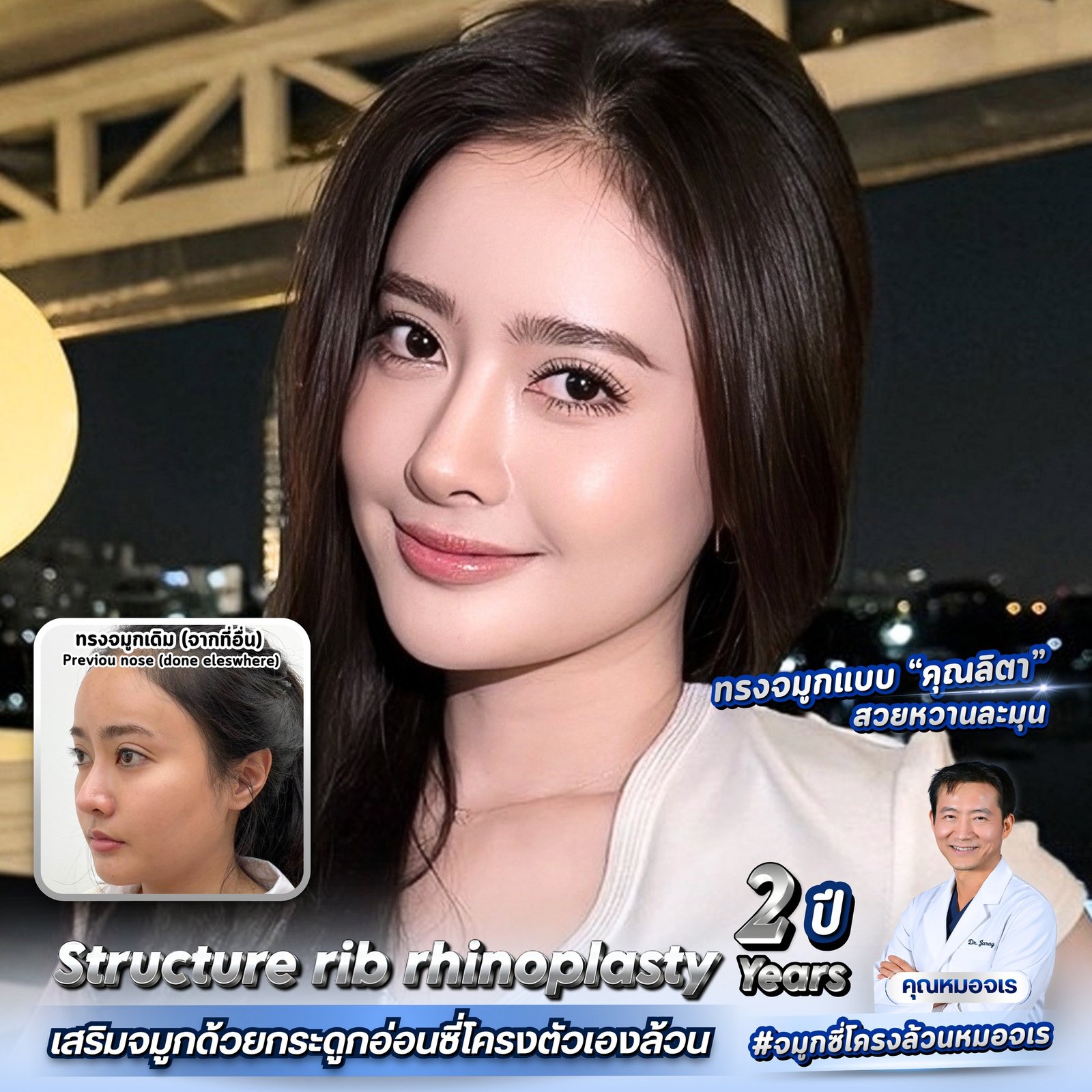
Lastly, Rib Rhinoplasty, an advanced technique, gathers cartilage from the rib cage to construct or augment the nasal framework. This approach is particularly beneficial for patients who require significant structural support or have limited cartilage availability in their nasal area. With Rib Rhinoplasty, surgeons can create a stronger foundation for the nose, allowing for extensive reshaping that may be necessary in some conditions.
In summary, the choice of rhinoplasty technique hinges on individual patient needs and aesthetic aspirations. Understanding these refined approaches is crucial for those seeking to enhance their facial harmony through nasal surgery.
Preservation Rhinoplasty: Enhancing Natural Features
Preservation rhinoplasty is an innovative surgical technique designed to enhance the aesthetics of the nose while maintaining its natural structures. Unlike traditional approaches that often involve extensive tissue removal, preservation rhinoplasty focuses on conserving the intrinsic anatomy of the nose. This method emphasizes a minimalist approach, allowing for alterations that improve the nose’s appearance without compromising its function or inherent beauty.
The primary principle behind preservation rhinoplasty is the recognition that many patients desire a subtle enhancement rather than a complete transformation. This technique works best for individuals who have relatively good nasal structure but wish to correct minor imperfections such as a dorsal hump, nasal tip projection, or asymmetry. By skillfully preserving vital anatomical features, surgeons can elevate the nose’s aesthetic profile while concomitantly maintaining its natural charm.
One of the notable advantages of preservation rhinoplasty is its ability to deliver results that appear more natural. As the procedure retains the original nasal framework, the outcomes tend to harmoniously blend with the patient’s face, reducing the risk of an artificial appearance often associated with more invasive methods. Patients can expect a smoother recovery process, as the reduced trauma to surrounding tissues leads to less swelling and bruising.
Potential candidates for preservation rhinoplasty include those seeking refinement rather than drastic changes. Ideal candidates are typically individuals with well-defined nasal structures who can achieve their aesthetic goals through minor adjustments rather than significant surgical intervention. Desired outcomes often include a more proportionate profile and improved facial symmetry, contributing to an overall enhanced facial balance.
Structural Rhinoplasty: Correcting and Rebuilding
Structural rhinoplasty is a specialized surgical technique primarily employed to address significant nasal deformities and structural issues. This method is particularly beneficial for patients who experience functional breathing problems or physical irregularities due to trauma, congenital defects, or prior unsuccessful surgeries. By meticulously evaluating the nasal framework, Dr. Jaray Krainam, MD, can determine the most effective approach to restore both function and aesthetic appeal.
The surgical process of structural rhinoplasty often involves the modification of the nasal bones and cartilage. It may require the use of grafts to rebuild and support the nasal structure. Surgeons like Dr. Krainam utilize advanced techniques to ensure that the adjustments made are not only corrective but also harmonious with the overall facial aesthetics. A detailed pre-operative assessment is crucial, as it helps in setting realistic expectations and allows for tailored surgical planning that aligns with the patient’s specific needs.
Recovery from structural rhinoplasty can take time, and it is essential for patients to adhere to post-operative care instructions to optimize healing and results. Initial swelling and bruising are common, and patients typically wear a nasal splint for support during the early recovery phase. While the full results may not be immediately apparent, most patients can expect significant improvements in both function and appearance within several months as the swelling subsides.
With his extensive experience and dedication to advanced rhinoplasty techniques, Dr. Jaray Krainam plays a pivotal role in guiding patients through every step of the process, ensuring that they achieve successful outcomes that enhance their quality of life. His expertise in structural rhinoplasty not only corrects deformities but also instills confidence in patients as they embark on their journey toward nasal reconstruction.
Rib Rhinoplasty: A Comprehensive Solution for Complex Cases
Rib rhinoplasty is an advanced surgical technique utilized for nasal reconstruction, particularly in complex cases where substantial correction is required. This approach involves harvesting cartilage from the rib cage to create grafts that provide structural support and shape to the nose. This method is particularly beneficial for patients who have experienced significant trauma, have congenital deformities, or have faced complications from previous nasal surgeries.
The use of rib cartilage offers numerous advantages. One primary benefit is the natural flexibility and strength of rib grafts, which can lead to improved aesthetic and functional outcomes. Additionally, rib cartilage tends to integrate well with surrounding nasal tissues, which promotes healing and reduces the risk of complications associated with synthetic graft materials. Dr. Jaray Krainam, MD, with extensive experience in rib rhinoplasty, approaches each case with a tailored methodology to ensure that the individualized needs of patients are met.
Despite its benefits, rib rhinoplasty is not without its potential challenges. Patients may experience pain at the donor site on the rib, and there is a risk of complications such as infection or scarring. Furthermore, the recovery process may take longer compared to traditional rhinoplasty techniques. Patients are generally advised to avoid strenuous activities for a few weeks post-surgery to facilitate proper healing. Dr. Krainam’s expertise is crucial in managing these risks, as he carefully monitors the recovery process to ensure optimal outcomes for his patients.
Ultimately, rib rhinoplasty stands out as a comprehensive solution for challenging nasal reconstruction cases. With Dr. Krainam’s skillful application of this advanced technique, patients can expect to achieve functional and aesthetically pleasing results.